

Embroidery Jerseys vs Sublimation Jerseys: Which Custom Method Fits Your Team?
Choosing between embroidery jerseys and sublimation jerseys isn’t just about looks—it affects comfort, durability, budget, and how “pro” your team appears on game day.
If you’re ordering custom team jerseys for a club, school, league, or brand, this guide will help you pick the right decoration method based on real-world performance.
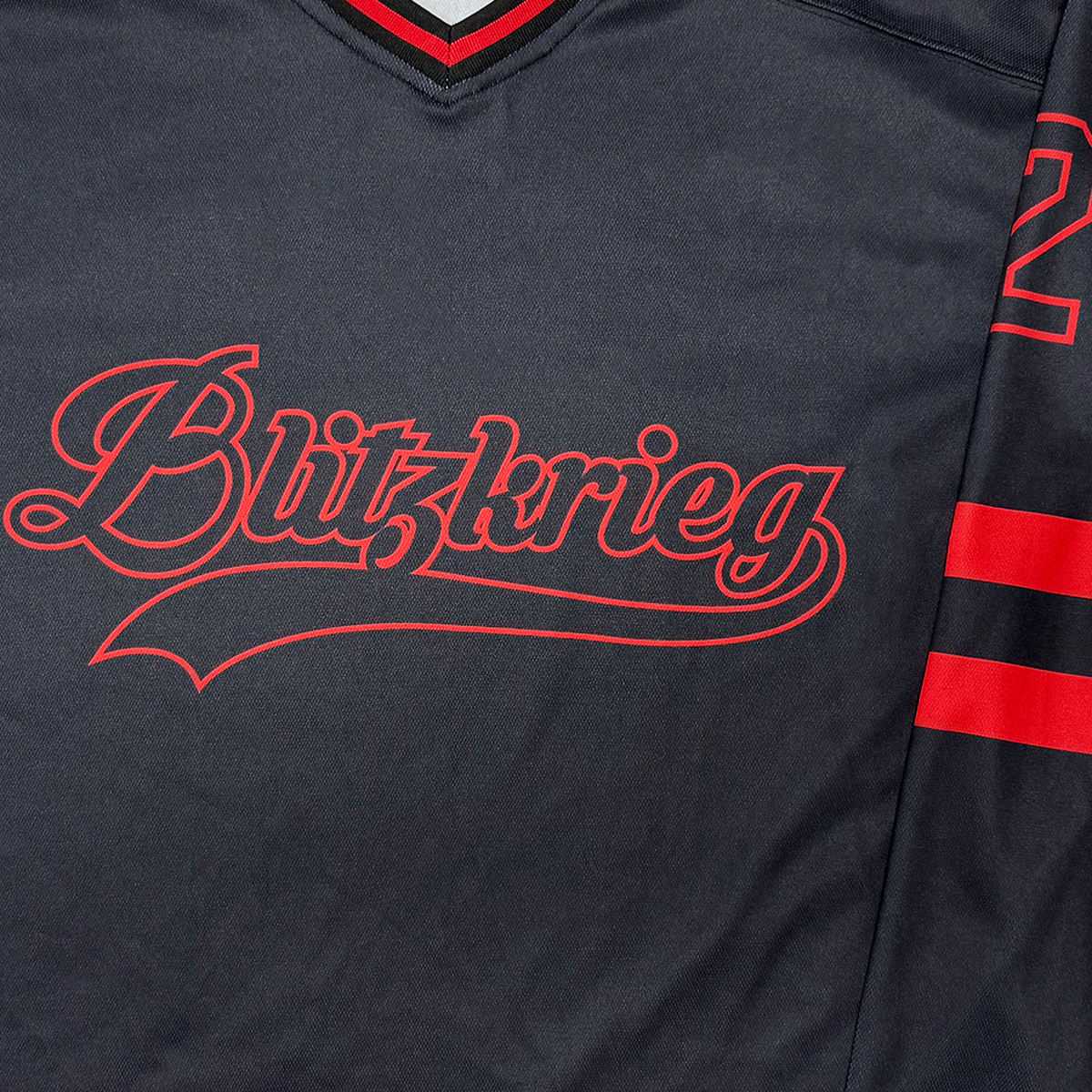
What Are Sublimation Jerseys?
Sublimation jerseys are made using a heat-and-dye process that infuses ink directly into the fibers of the fabric (typically polyester). Because the design becomes part of the material, sublimated graphics won’t peel or crack like some surface-applied prints.
This is why sublimated jerseys are popular for teams that want bold, full-color designs, gradients, and all-over patterns.
What Are Embroidery Jerseys?
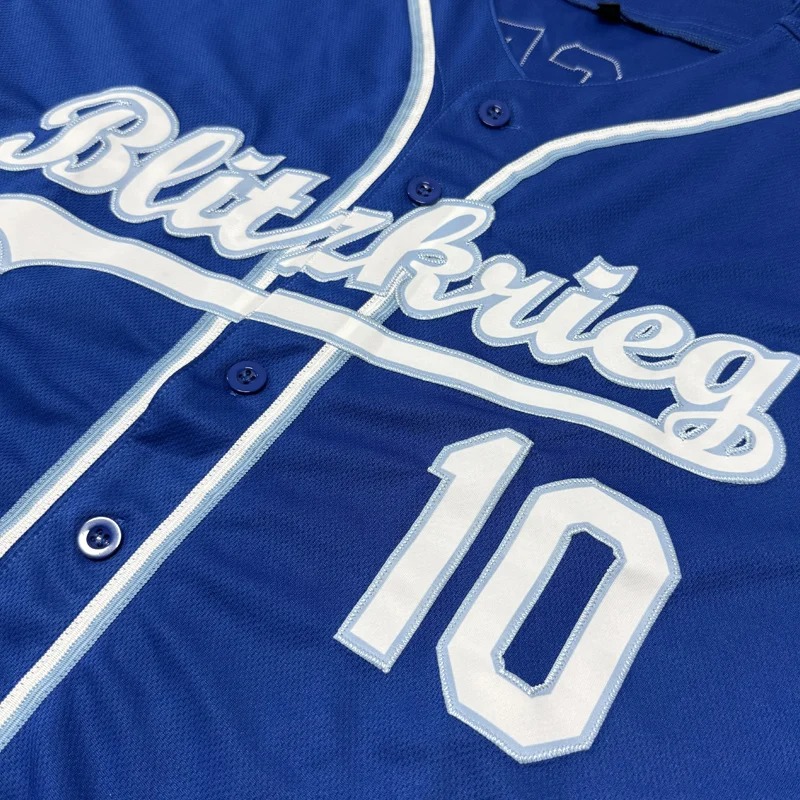
Embroidered jerseys use thread stitched into the garment to create a raised, textured design—most commonly for team crests, small logos, names, or patches.
Embroidery is often associated with a classic, premium look. It’s also a go-to option when you want a tactile finish that stands out on photos, in person, and in fanwear collections.
Quick Comparison: Sublimation vs Embroidery Jerseys
| Factor | Sublimation Jerseys | Embroidery Jerseys |
| Feel on skin | Smooth, lightweight | Textured; can feel thicker |
| Breathability | Excellent (no added layer) | Can reduce airflow where stitched |
|
Design complexity |
Unlimited colors, gradients, all-over prints |
Best for simple logos/text; limited gradients |
|
Durability |
Won’t peel/crack; color stays in fabric |
Long-lasting stitching, but can fray over time |
|
Best fabrics |
Polyester / poly blends |
Works on many fabrics |
|
Cost drivers |
Mostly design + production; no per-color cost |
Stitch count, size, placements, digitizing |
|
Best for |
Performance jerseys, modern designs |
Premium branding, crests, outerwear |
Deep-Dive Comparison (What Actually Matters)
1) Comfort & Breathability
If your team plays high-intensity sports or trains frequently, comfort matters.
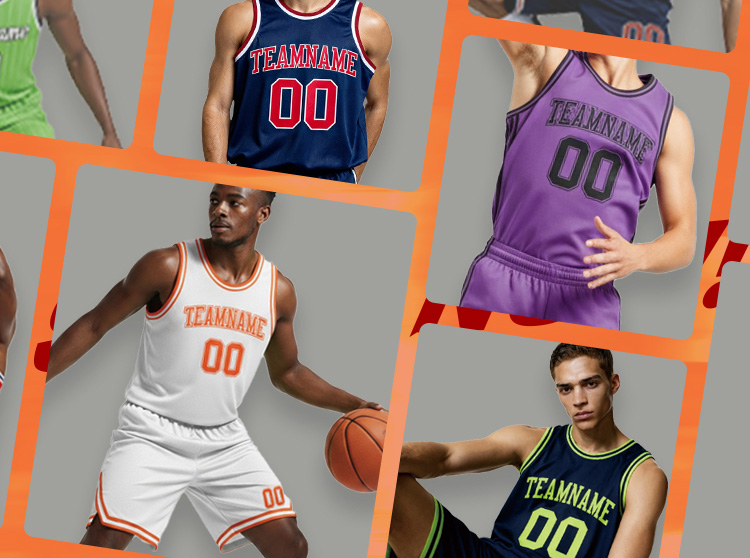
- Sublimation jerseys remain lightweight because there’s no extra layer on top of the fabric. This supports mobility and moisture management.
- Embroidery jerseys can feel heavier in stitched areas. Large, dense embroidery may create friction or stiffness—especially on lightweight performance fabrics.
Best pick for performance: sublimation.
2) Design Freedom & Color Accuracy
This is where sublimation shines.
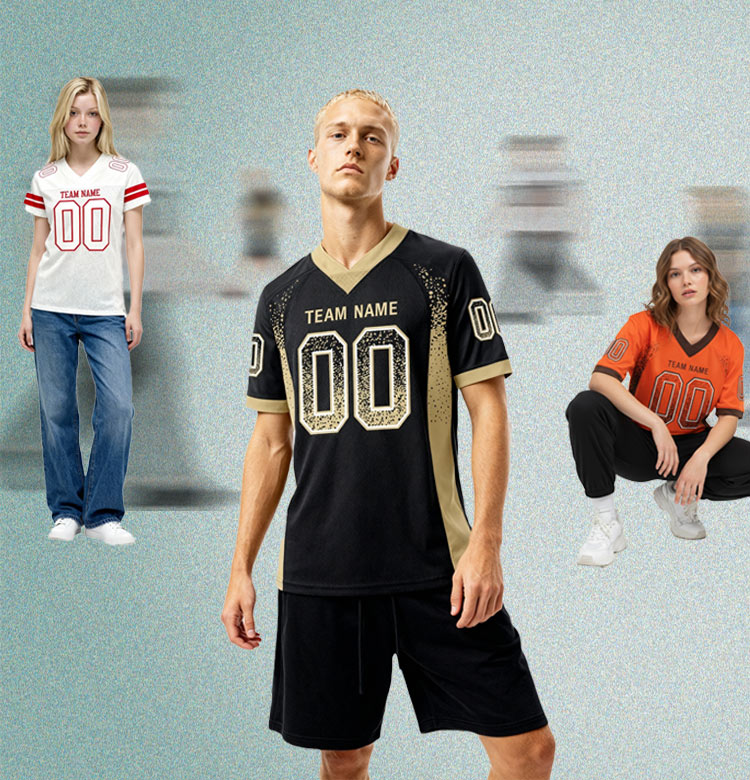
- Sublimation supports full-color artwork, gradients, pinstripe, fade and sponsor-heavy layouts without increasing cost per color.
- Embroidery is ideal for clean, bold logos but struggles with photo-real detail, tiny text, or smooth gradients.
Best pick for complex designs: sublimation.
3) Durability & Wash Performance
Both methods can be durable, but in different ways.
- With sublimation, the dye is in the fabric—so there’s no cracking or peeling.
- With embroidery, stitching is physically strong, but threads can snag or fray with abrasion over time, especially on high-contact areas.
Best pick for “no peel, no crack” graphics: sublimation.
4) Fabric Compatibility
- Sublimation works best on polyester(or polyester-rich fabrics). If you want cotton-heavy garments, sublimation may not be the right fit.
- Embroidery is more flexible across fabric types, making it common for warm-ups, hoodies, jackets, and lifestyle pieces.
Best pick for non-poly garments: embroidery.
5) Cost, MOQ & Scalability
When budgeting for custom sports jerseys, think about what drives cost.
- Sublimation is often cost-effective for teams that want full-coverage designs and personalization (names/numbers) because it doesn’t charge per color.
- Embroidery pricing typically depends on stitch size and placements. Multiple embroidered areas can increase cost.
Best pick for large orders + complex graphics: sublimation.
6) Turnaround Time
- Sublimation workflows are typically digital and scalable once artwork is approved.
- Embroidery can require setup (digitizing) and longer machine time per piece.
If you’re on a tight deadline, sublimation is often the faster route—especially for bulk orders.
7) Brand Look: Premium vs Modern
- Embroidery communicates tradition and premium quality—great for classic sports aesthetics and fan gear.
- Sublimation looks modern, bold, and high-energy—perfect for baseball, soccer, basketball, hockey and contemporary team branding.
Best Use Cases (Simple Rules)
Choose sublimation jerseys when:
- You want all-over designs, gradients, or multiple sponsor logos
- You need lightweight, breathable performance wear
- You’re ordering in bulk and want consistent color across the team
Choose embroidery jerseys when:
- You want a premium, textured crest or small logo
- You’re decorating heavier garments (hoodies, jackets, warm-ups)
- Your design is simple and you want a classic finish
How to Choose (Buyer’s Checklist)
Before you place an order for custom sublimation jerseys or custom embroidered jerseys, confirm:
- Sport & intensity (high-movement vs casual/fanwear)
- Design style (gradients/all-over vs simple crest)
- Fabric choice (polyester performance vs cotton blends)
- Logo placement (large front vs small chest/sleeve)
- Budget & quantity (bulk order vs small run)
- Timeline (event date + shipping buffer)
Care Tips (Quick)
- For sublimation: wash cold, avoid harsh bleach, air dry when possible.
- For embroidery: turn garments inside out, avoid snagging, don’t overload the washer.
FAQs
Which is better for moisture-wicking performance jerseys?
Usually sublimation, because it doesn’t add thickness or reduce airflow.
Is embroidery always more durable?
Embroidery is physically strong, but threads can snag or fray. Sublimation won’t peel or crack.
Ready to Design Your Team Jerseys?
If you’re deciding between embroidery jerseys and sublimation jerseys, the best choice depends on your sport, design complexity, and how the jerseys will be used.
At Fanscheer, you can create custom team uniforms with sublimation or embroidery, and choose the most suitable manufacturing process based on your specific needs.