

Sustainable Jersey Fabric: The Future of Eco-Friendly Sportswear
As teams, clubs, and sportswear brands look for better ways to reduce environmental impact, jersey fabric is becoming a more important part of the conversation. Today’s buyers are not only asking whether a jersey looks good and performs well. They also want to know what it is made of, how long it lasts, and whether it supports more responsible production.
For modern sportswear, the future is not just about style or speed. It is about choosing sustainable sportswear fabric that balances comfort, durability, moisture management, printability, and lower environmental impact.
Why Sustainable Jersey Fabric Matters in Modern Sportswear
Traditional synthetic materials have long dominated the sports apparel market because they are lightweight, durable, and cost-effective. However, many conventional fabrics rely on virgin petroleum-based fibers. That has pushed manufacturers and buyers to explore better alternatives.
A more sustainable athletic jersey material can help reduce waste, lower dependence on virgin resources, and support a stronger brand story. For custom teamwear businesses, this also creates a competitive advantage as more customers ask for eco-conscious options.
What Buyers Should Look for in Jersey Fabric
When choosing the best fabric for sports jerseys, sustainability should not be the only factor. Performance still matters.
Key factors include:
- Breathability
- Moisture-wicking ability
- Stretch and recovery
- Durability for repeated washing
- Soft hand feel
- Print and embroidery compatibility
- Weight and drape
- Suitability for team orders and customization
The best sportswear fabric is the one that matches both the sport and the end user.
The Best Sustainable Jersey Fabric Options
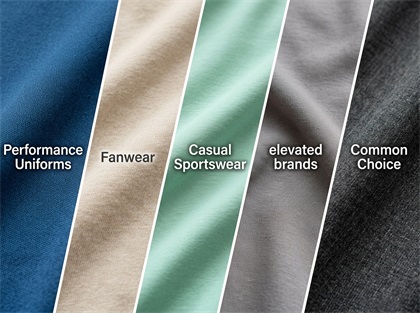
1. Recycled Polyester Jersey
Recycled polyester jersey is one of the most practical options for performance uniforms. It offers lightweight comfort, moisture management, and durability while reducing reliance on virgin polyester.
This fabric works especially well for football, basketball, baseball, and training jerseys because it supports sublimation printing, keeps colors vibrant, and performs well in bulk production.
2. Organic Cotton Jersey
Organic cotton jersey feels soft and natural against the skin. It is a strong option for fanwear, lifestyle sports apparel, and low-intensity training garments. While it may not outperform polyester in every high-sweat setting, it appeals to buyers who prioritize comfort and natural fibers.
3. Bamboo Jersey
Bamboo-based jersey fabric is often valued for softness, breathability, and comfort. It can be a good fit for training tops and casual sportswear. However, buyers should pay attention to how the bamboo fiber is processed, because sustainability can vary depending on manufacturing methods.
4. Tencel or Lyocell Jersey
Tencel and Lyocell jersey fabrics are known for softness, moisture control, and a premium feel. They are suitable for brands that want to position their products as more elevated, modern, and eco-conscious.
5. Recycled Performance Blends
For many custom orders, blended jersey fabric offers the best balance. Recycled polyester blended with elastane or other fibers can improve stretch, fit, and athletic performance while still supporting sustainability goals.
Jersey Fabric vs Interlock: Which Is Better for Sports Jerseys?
Jersey fabric is usually lighter, more breathable, and more flexible, making it a popular choice for active sports uniforms. Interlock fabric is thicker, smoother, and often more structured. If your goal is lightweight match jerseys, jersey knit is often the better option. If you want a slightly heavier premium feel, interlock can be worth considering.
How to Choose the Best Fabric for Sports Jerseys by Use Case
- Team uniforms: recycled polyester jersey for durability and print performance
- Fanwear: organic cotton jersey for softness and casual comfort
- Training wear: moisture-wicking jersey fabric with stretch blends
- Youth jerseys: breathable jersey fabric that is soft, lightweight, and easy to wash
Common Challenges of Sustainable Sportswear Fabric
Not every eco-friendly fabric is ideal for every sport. Some materials cost more, some are less suitable for sublimation, and some may not deliver the same durability as conventional performance textiles. That is why fabric selection should always consider sport type, budget, customization method, and wear frequency.
The Future Trends in Sustainable Sportswear Fabric
The future of custom jersey fabric will likely focus on recycled fibers, smarter blends, improved traceability, and better performance finishes with lower environmental impact. Buyers will increasingly expect sportswear to combine function, customization, and sustainability in one solution.
Final Thoughts
Choosing the right jersey fabric is no longer only about texture or weight. It is about performance, branding, comfort, and long-term responsibility. For teams, clubs, and sportswear brands, sustainable fabric choices are becoming a practical business decision as well as an environmental one.
If you are developing custom teamwear, the best approach is to compare fabric options based on sport, fit, printing method, and sustainability goals before moving into production.