

Jersey Sizing Guide The Ultimate Fit Guide Plus 5 Tips to Avoid Sizing Mistakes
Buying a jersey should feel exciting—until you realize that a “Medium” can fit totally differently depending on the brand, the cut, and whether it’s an authentic on-field style or a fan replica. If you’re ordering a custom jersey (or placing a team order), a sizing mistake is even more painful because exchanges can be limited.
This jersey sizing guide will help you measure correctly, read any jersey size chart with confidence, and choose the right fit for your body and your style.
Quick Answer
- Start with chest measurement—it’s the #1 sizing factor for most jerseys.
- If you’re between sizes, choose based on your fit goal: snug/athletic = size down, relaxed/oversized = size up.
- Planning to wear a hoodie or gear underneath? Size up.
- In many sports, authentic jerseys run slimmerthan replica/fan versions.
- Always confirm with the brand’s jersey size chartbefore ordering.
Why Jersey Sizing Is Confusing
Authentic vs. Replica (Fan) Jerseys
In general, authentic jerseys are closer to what athletes wear, often with a more athletic cut. Replica/fan jerseys are usually designed for comfort and everyday wear, often with a roomier fit.
Brand and Model Differences
Even within the same brand, different “editions” or model years can fit differently. That’s why relying on your T-shirt size alone can backfire.
Fabric, Stretch, and Shrinkage
Most modern jerseys use polyester blends that don’t shrink much, but fit can still change slightly after washing. If a jersey has a tighter weave or less stretch, it may feel smaller even when measurements match.
What You Need Before Measuring
- A flexible measuring tape
- A mirror (or a friend to help)
- A well-fitting T-shirt (optional, but helpful)
- Notes app to record measurements
How to Measure for a Jersey (Step-by-Step)
Take measurements over a thin shirt, stand naturally, and keep the tape level—snug but not tight.
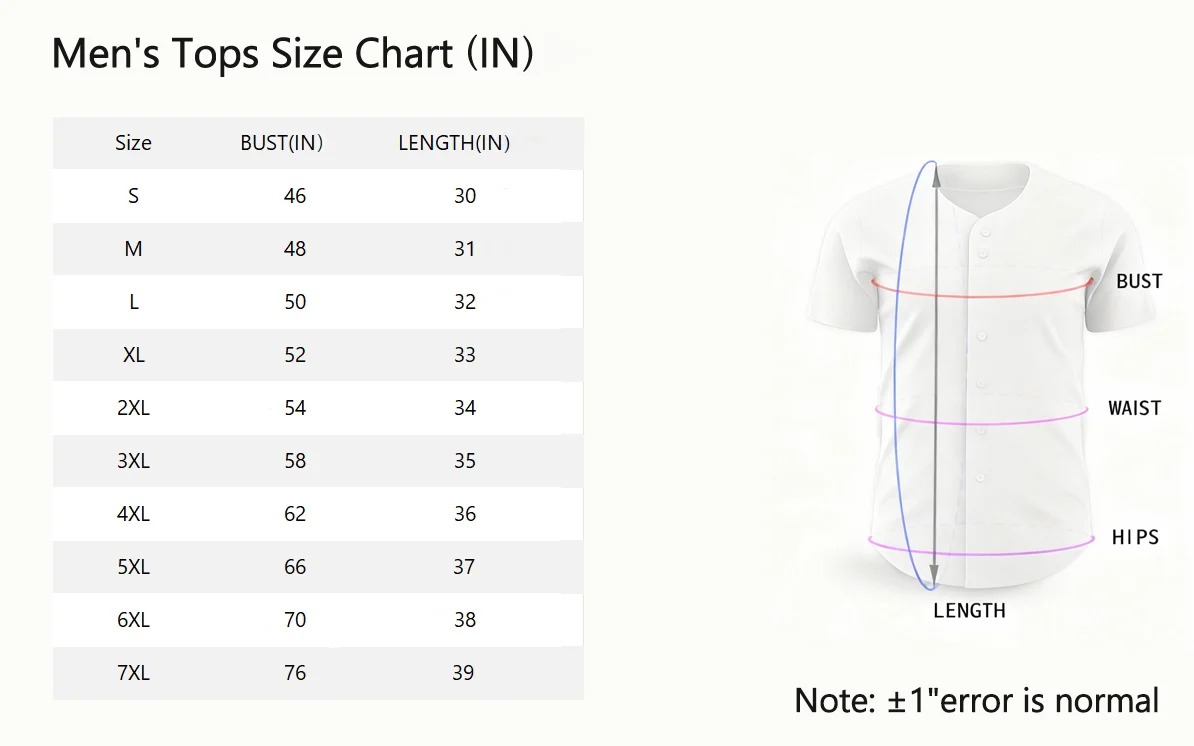
1) Chest
Measure around the fullest part of your chest, under the arms. Keep your arms relaxed.
2) Waist
Measure around your natural waist (typically above the belly button). Don’t suck in your stomach—measure your real everyday fit.
3) Shoulder Width
Measure from the edge of one shoulder to the other across the back. This helps avoid a jersey that feels restrictive in the upper body.
4) Jersey Length
Measure from the highest point of the shoulder down to where you want the jersey to end. (Some people prefer longer for layering.)
5) Sleeve Length
Measure from the shoulder seam area down to your desired sleeve end.
Pro tip: Measure twice and use the average. Small errors (1–2 cm) can push you into the wrong size.
How to Use a Jersey Size Chart (Decision Rules)
A jersey size chart is only useful if you apply it with the right “rules.”
If You’re Between Sizes
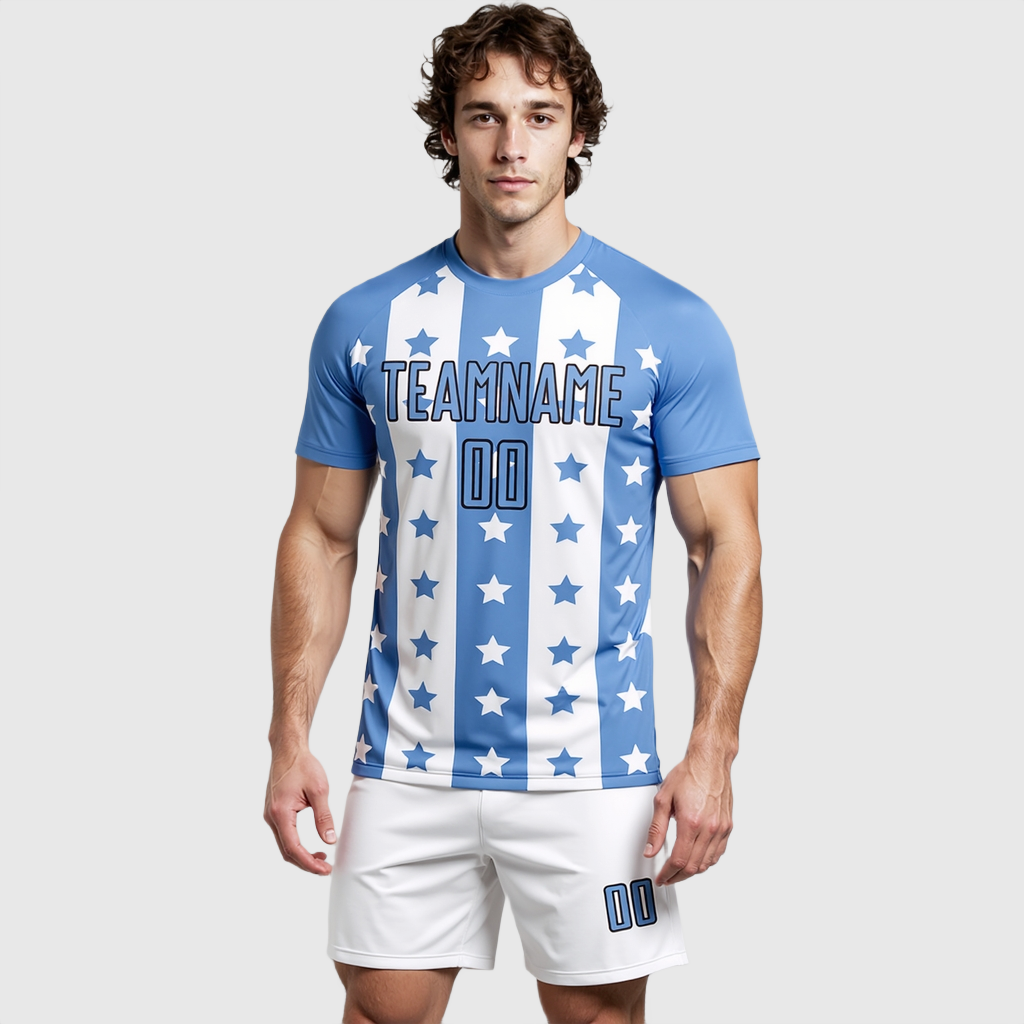
- Want a clean, fitted look? Choose the smaller
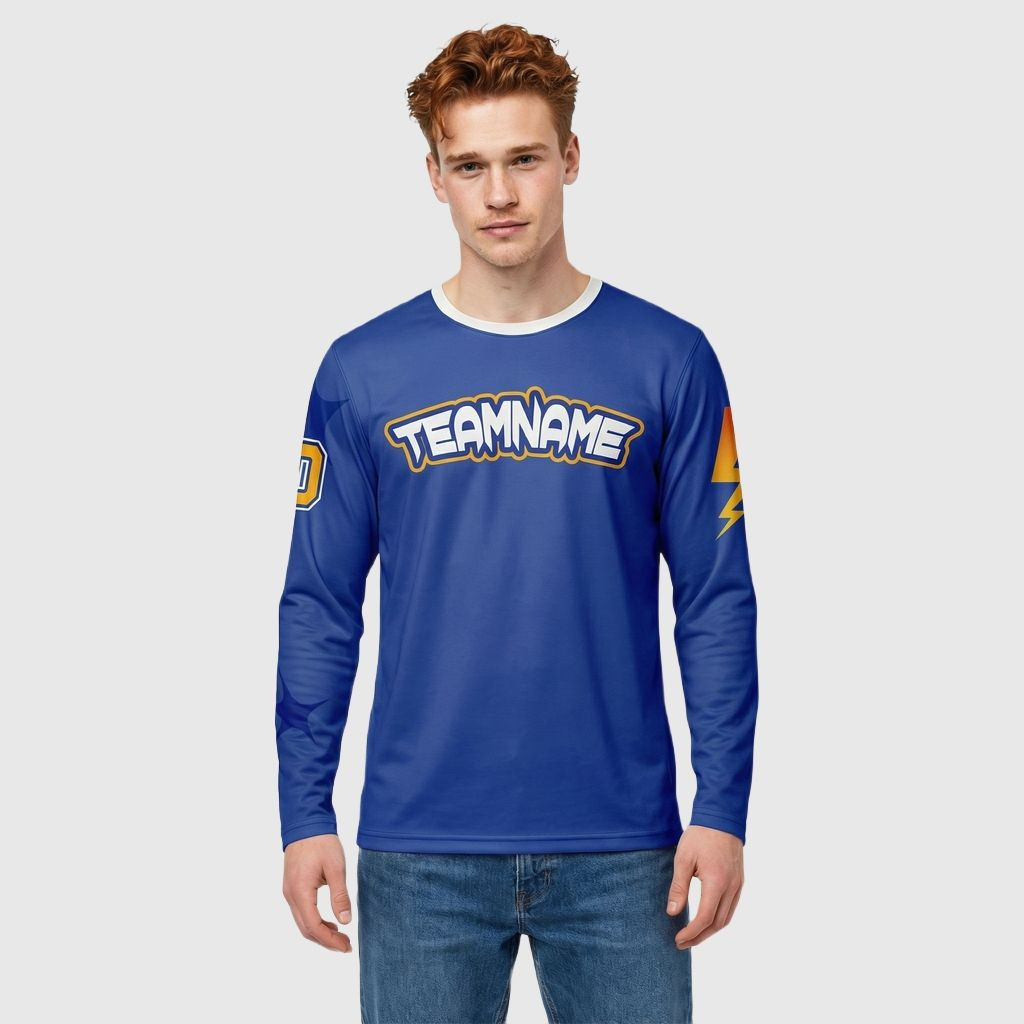
- Want a relaxed fit or you’re broad in shoulders/chest? Choose the larger
If You Plan to Layer (Hoodie, Base Layer, Pads)
If you’ll wear a hoodie underneath—or you need room for protective gear—size up. This is one of the most common reasons people feel their jersey “runs small.”
If You Want an Oversized Streetwear Fit
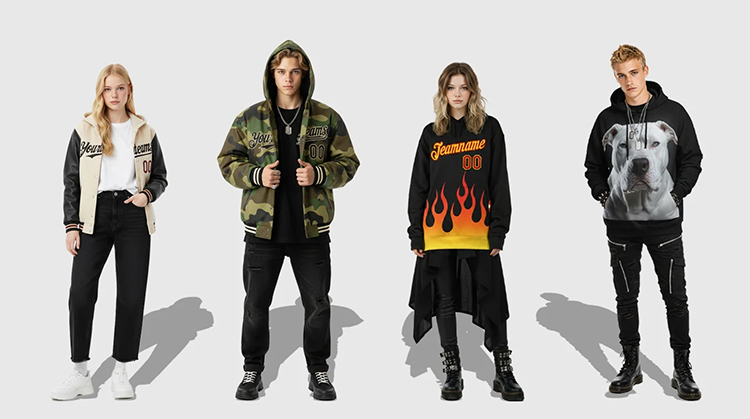
If you like a baggy look, consider sizing up—but still confirm that shoulder width and sleeve length won’t look awkward.
5 Tips to Avoid Jersey Sizing Mistakes
1) Measure a Jersey You Already Love
Lay your best-fitting jersey flat and measure chest width, length, and sleeves. Then compare those numbers to the product chart.
2) Decide Your Fit Goal First (Athletic vs. Casual)
Ask yourself: Is this for game day, training, or everyday wear? Your answer determines whether you should size up or down.
3) Don’t Convert Sizes Blindly (US/EU/Asia)
A “Large” isn’t universal. Always use measurements in inches/cm from the brand’s chart.
4) Consider Customization Placement
For custom name/number jerseys, the fit affects how graphics sit on the body. A jersey that’s too tight can distort prints; too loose can make numbers look lower than expected.
5) For Team Orders: Collect Measurements + Order One Sample
If you’re ordering for 10+ people, don’t guess. Use a simple measurement form, standardize how everyone measures, and—if possible—order one sample size to confirm fit before placing the full order.
Sizing by Shopper Type
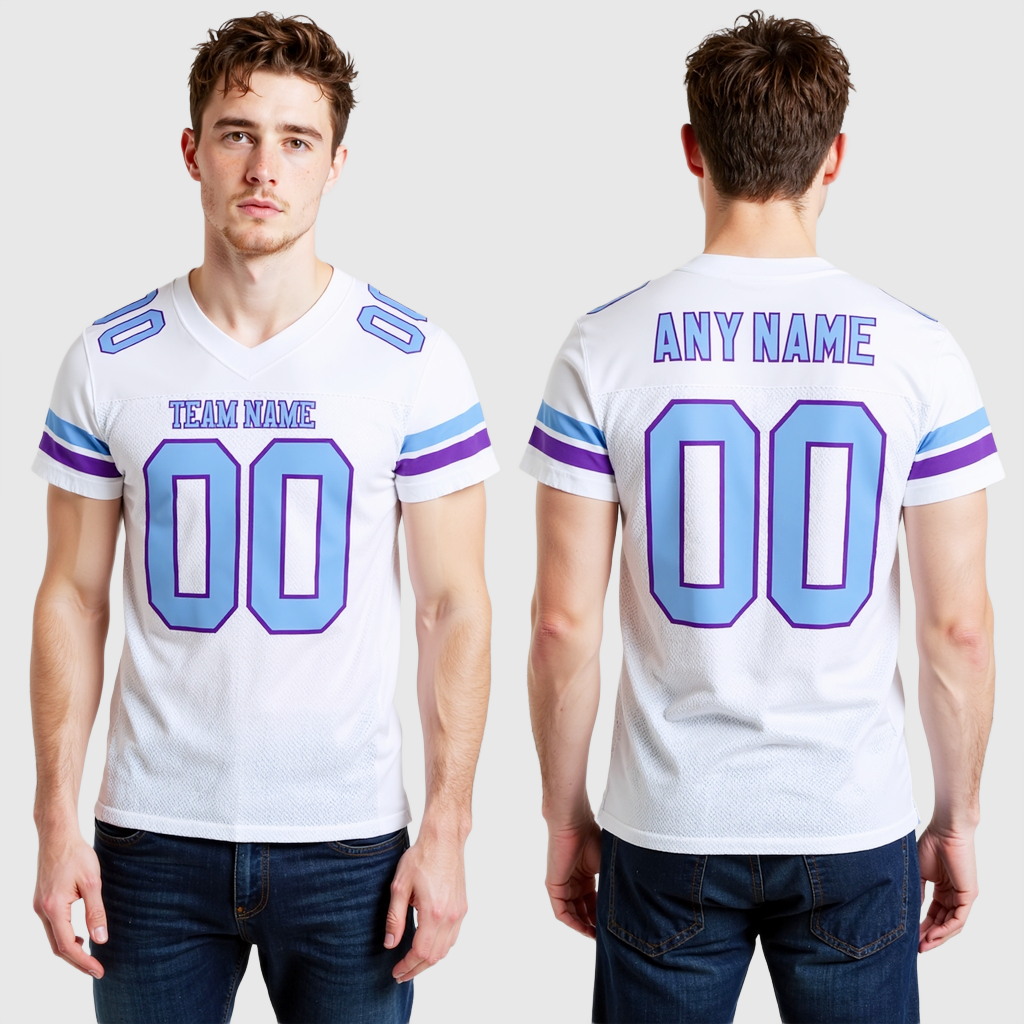
Men’s Jersey Sizing
Most men’s jerseys are cut straighter through the torso. Prioritize chest and shoulder measurements, then adjust for your preferred looseness.
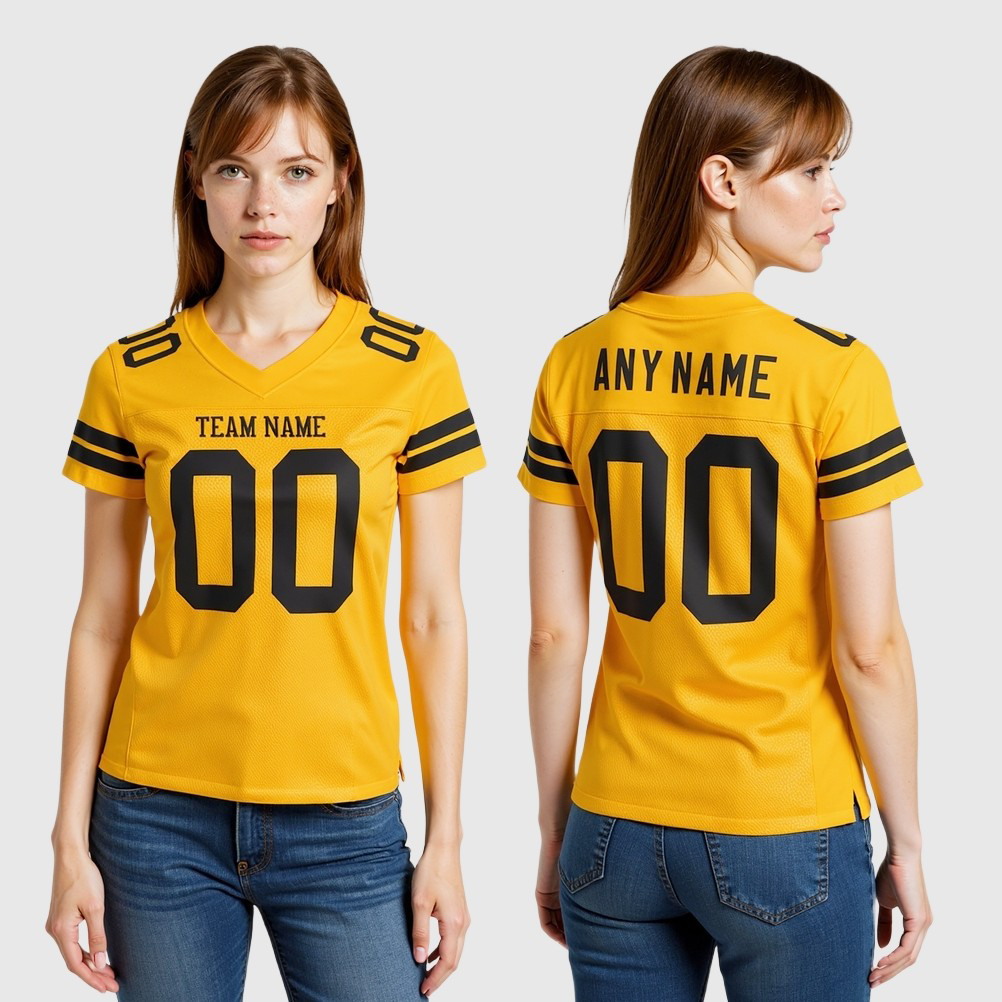
Women’s Jersey Sizing
Women’s cuts may taper at the waist and have different sleeve proportions. If you prefer a relaxed fit, compare both women’s and unisex charts.
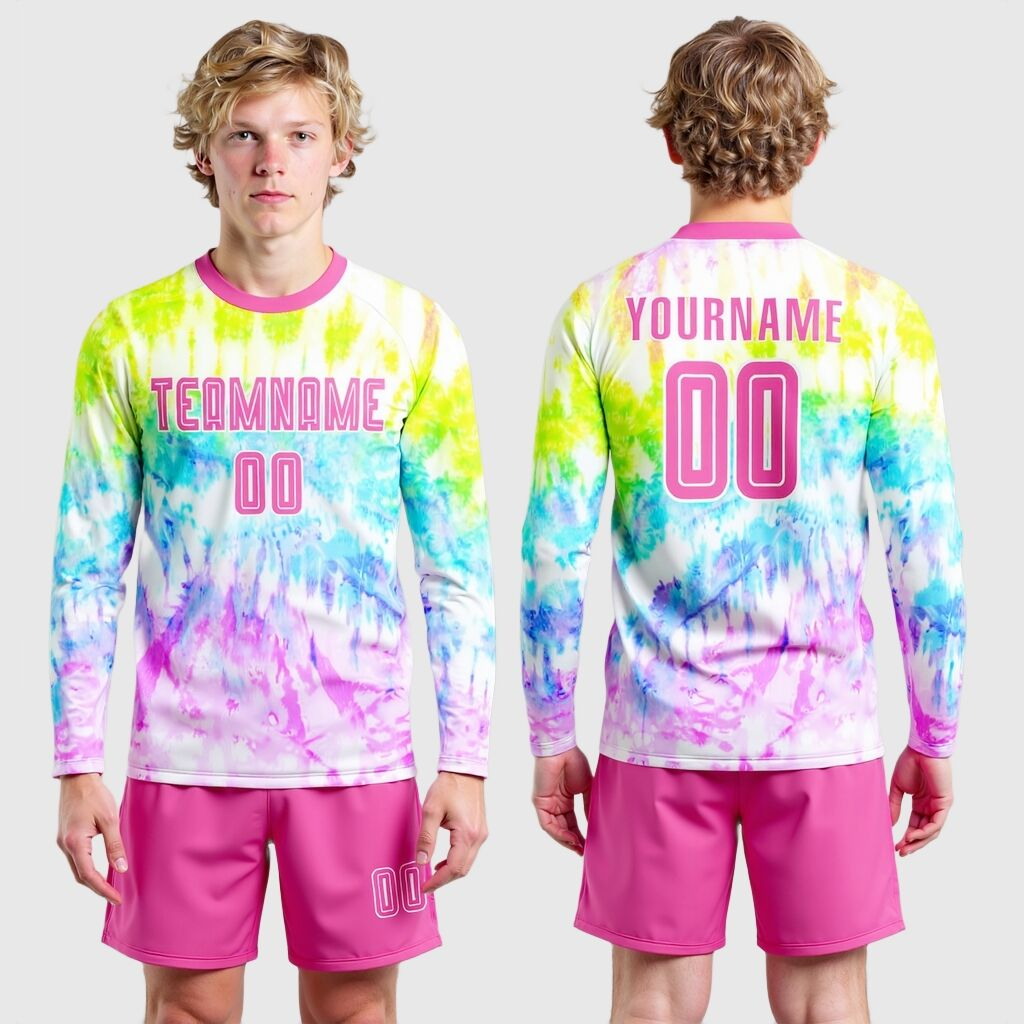
Youth Jersey Size Chart Tips
For kids, consider growth. If your child is between sizes, sizing up is often safer—especially if the jersey is for a full season.
FAQ
What size jersey should I buy?
Start with chest measurement, then decide your fit goal. If you’re between sizes, choose smaller for a fitted look and larger for comfort or layering.
Do jerseys run big or small?
It depends on the jersey type and brand. Authentic/on-field styles often feel slimmer; fan replicas often feel roomier.
Should I size up for an authentic jersey?
Often yes—especially if you’re between sizes or plan to wear layers underneath.
Will my jersey shrink?
Most modern polyester jerseys shrink very little, but always follow wash instructions and avoid high heat drying.
Ready to Get the Perfect Fit?
Use this jersey sizing guide to measure once and order with confidence. For custom jerseys and team orders, check the size chart on fanscheer.com and reach out if you want help choosing sizes for a group order.