

From Design to Delivery How a Jersey Manufacturer Turns Your Idea Into Game-Ready Custom Sports Jerseys
When buyers search for a reliable jersey manufacturer or jersey factory, they usually want more than a good-looking product. They want to know how the process works, what details they need to prepare, and how to avoid mistakes before placing an order. If you are planning to order custom sports jerseys for a team, club, school, or brand, understanding the full workflow can save time and help you get better results.
At Fanscheer, the journey starts long before production. From style selection to logo placement, from sublimated jerseys to embroidered jerseys, every step affects the final look, comfort, and durability of the garment.
Why Understanding the Process Matters
Knowing how custom jerseys are made helps you make smarter decisions before checkout. It reduces design errors, improves communication, and makes it easier to match your budget, timeline, and branding goals. For teams ordering in volume, this is especially important.
Step 1: Choose the Right Style, Gender, and Order Requirements
Every project begins with the basics. First, choose the jersey style that best fits your sport and team image. Then confirm whether the order is for men, women, youth, or mixed sizing. A professional jersey manufacturer will also help you align the style with performance needs such as breathability, mobility, and durability.
At this stage, it is also smart to confirm quantity, expected delivery date, and whether the order is for a team season, event, resale, or promotional use.
Step 2: Build the Design Before Production Starts
This is where your jersey becomes truly custom. Before the order enters production, buyers typically complete the design setup by selecting:
- Style
- Gender
- Production method: Print or Embroidered
- Front chest: Team Name and Number
- Back: Name and Number
- Logo placement: Left Sleeve, Right Sleeve, Left Chest, Right Chest, Back Neck
These choices are not just visual. They affect production workflow, decoration method, and final cost. For example, sublimated jerseys are ideal for bold all-over graphics and long-lasting color, while embroidered jerseys can add a premium textured look for selected logo areas.
Step 3: Review the Details Carefully
After the design details are submitted, the next step is review. This is one of the most critical checkpoints in the entire process. The buyer should confirm spelling, number order, color accuracy, logo size, layout balance, and clarity.
A thorough review can prevent delays and avoid costly last-minute modifications after production has begun.
Step 4: Material Selection and Production Planning
After approval, the order moves into production planning. Fabric selection matters because performance jerseys need the right balance of comfort, moisture management, and durability. The production team also matches the decoration method to the design. This is where an experienced jersey factory stands out: it knows how to turn approved artwork into efficient, repeatable production.
Step 5: Printing, Embroidery, Cutting, and Sewing
Now the design becomes a physical product. Depending on the order, the process may include digital printing, sublimation transfer, embroidery application, panel cutting, and sewing. In a professional jersey factory, these steps are coordinated to keep colors consistent, graphics sharp, and sizing accurate across the full order.
Step 6: Quality Control
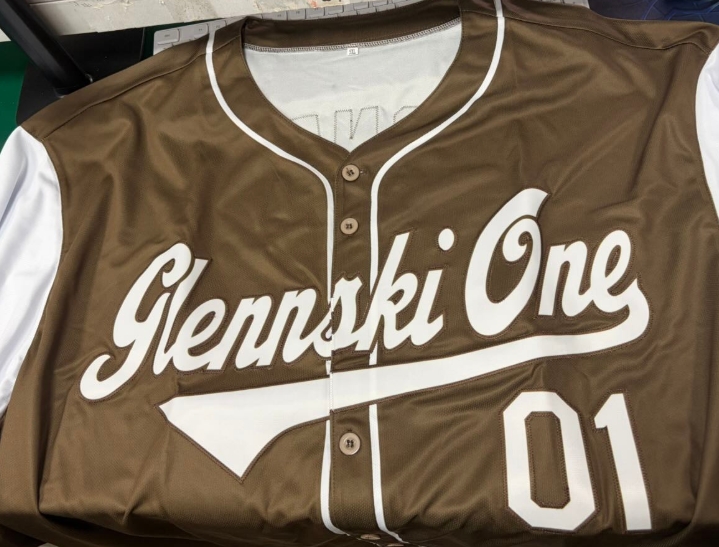
Before shipping, each jersey should be checked for color consistency, correct names and numbers, logo placement, stitching quality, and size accuracy. This quality-control stage is essential for custom team jerseys, especially when every player receives personalized details.
Step 7: Packing and Delivery
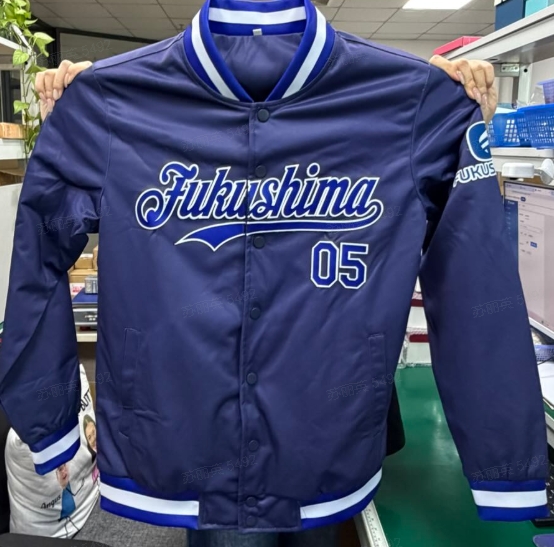
After inspection, the jerseys are packed and prepared for delivery. Shipping time depends on order size, customization complexity, and destination. Clear communication during this stage helps buyers plan for team launches, tournaments, and seasonal deadlines.
Common Mistakes to Avoid
- Sending low-quality logo files
- Confirming sizes too late
- Changing names or numbers after approval
- Choosing embroidery for artwork better suited to print
- Waiting until the last minute for a team order
Why the Right Partner Matters
The best results come from working with a supplier that combines design support, production capability, and dependable delivery. A trusted jersey manufacturer does more than make apparel. It helps you move from concept to finished product with fewer errors and more confidence.
If you are looking for custom sports jerseys that balance design freedom, factory execution, and team-ready quality, Fanscheer can help turn your idea into a jersey players are proud to wear.