

World Cup 2026 Jerseys Wholesale: A Sourcing Guide for Retailers, Clubs & Event Organizers
World Cup seasons are a unique opportunity for retailers and event organizers—but only if your inventory arrives on time and matches what customers expect. This guide breaks down how to source World Cup 2026 jerseys wholesale with fewer delays, fewer sizing problems, and better margins.
Note: This article focuses on World Cup-season demand and inspiration. Avoid copying official national team crests or protected designs. Original custom designs are safer for brands and events.
1) Define your product mix (before contacting suppliers)
Start by deciding what you’re actually selling or distributing:
- Team jerseys (clubs, schools, leagues)
- Fan jerseys (event giveaways, supporter groups)
- Training tops or warm-up kits
2) Supplier checklist: what to evaluate
When comparing a world cup jerseys wholesale supplier, check:
- Customization range: names, numbers, logos, all-over patterns
- Fabric options: moisture-wicking, mesh, heavier vs lighter GSM
- Printing method: sublimation vs heat transfer vs embroidery
- Quality control: pre-production approval, photo checks
- Capacity: can they handle peak-season volume?
- Communication speed: how fast do they confirm mockups and roster lists?
3) MOQ and lead time (plan for peak season)
World Cup season can tighten production schedules.
How to plan
- Ask for MOQ per style/design
- Ask for lead time ranges for simple vs complex designs
- Add buffer time for shipping and customs
If you’re launching a retail drop, align your marketing calendar with realistic production windows.
4) Printing methods: what’s best for World Cup-style designs?
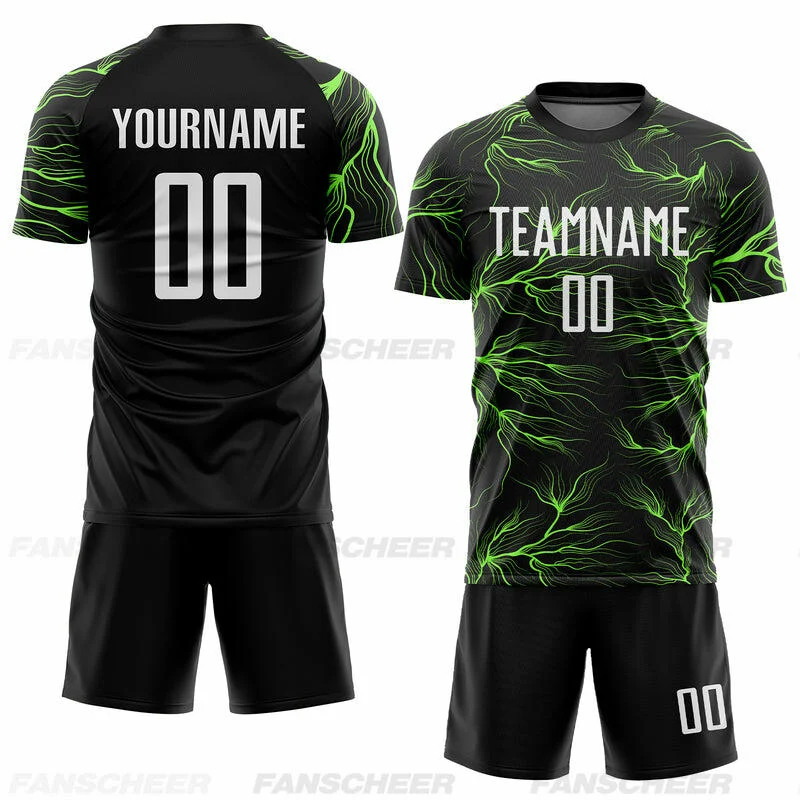
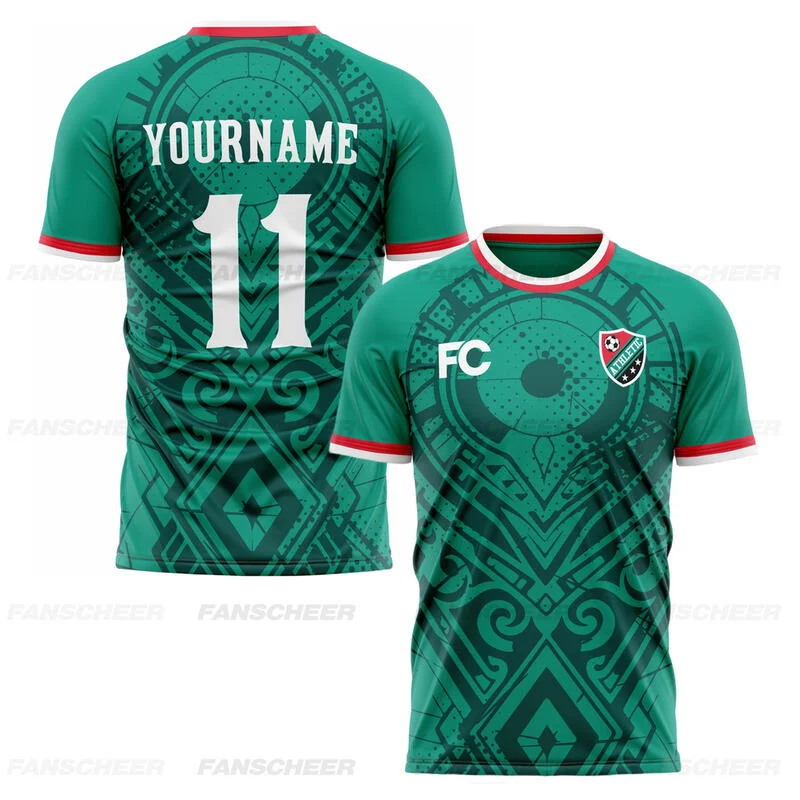
If you want bold graphics, gradients, and patterns:
- Sublimation is usually best for full-color, all-over designs.
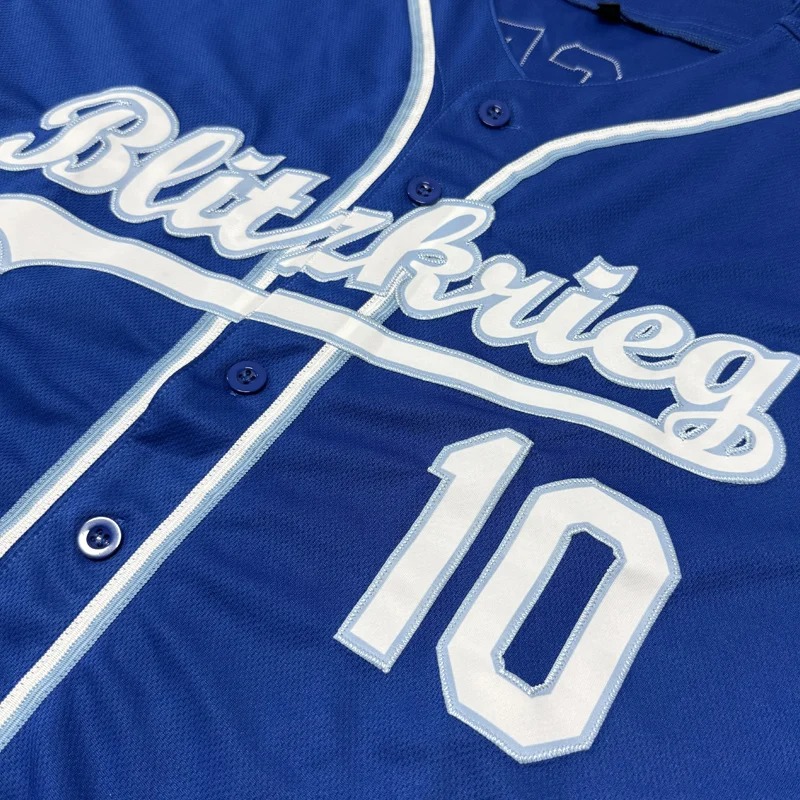
If you want small, simple logos:
- Embroidery may work depending on fabric and budget.
5) Packaging and labeling (retail-ready details)
Retailers often lose time here.
Prepare your packaging requirements:
- Size stickers
- Individual polybags
- Hang tags
- Barcodes (if needed)
If you’re doing private label, confirm label placement and packaging specs early.
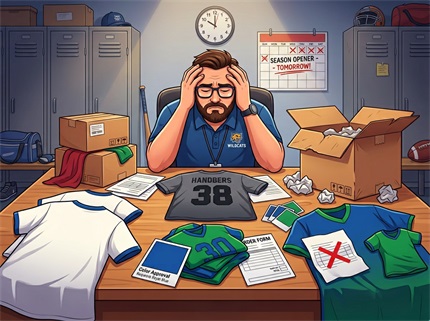
6) Risk control: avoid the 5 most common wholesale mistakes
- Missing roster details (names/numbers)
- Low-contrast numbers (hard to read)
- Unapproved color changes
- No buffer time for shipping
- No plan for size exchanges
Best practice: build a simple approval step before mass production.
7) A simple request template you can copy-paste to suppliers
When you ask for a quote, include:
- Product type + fabric preference
- Quantity + size breakdown
- Decoration method (or ask for recommendation)
- Deadline + delivery country
- Artwork files + color references
- Packaging requirements
This speeds up quoting and reduces back-and-forth.
FAQ
Where can I buy World Cup 2026 jerseys wholesale?
You can source from custom teamwear manufacturers and wholesale suppliers that support bulk orders and customization. Compare MOQ, lead time, printing method, and quality control steps.
Can I do private label soccer jerseys for World Cup season?
Yes. Many suppliers offer private label options such as custom neck labels, hang tags, and packaging. Confirm specs early to avoid delays.
How do I avoid shipping delays during peak season?
Order earlier, confirm production timelines in writing, and add buffer time for customs and last-mile delivery.
If you’re sourcing World Cup-season inventory, tell us your target quantity, deadline, and market (US/EU). Fanscheer will recommend the best jersey construction and a production timeline that fits your launch.